Chinese Food 3D Text Effect for Illustrator
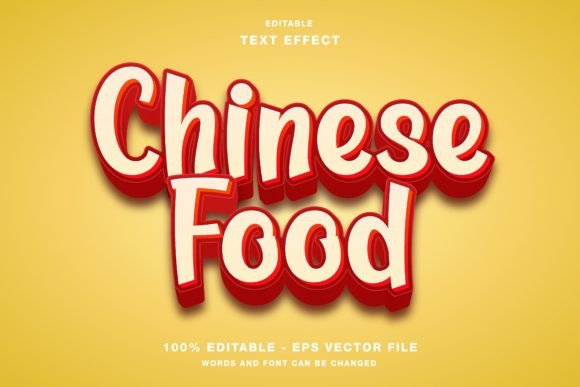
Visual communication in the culinary world relies heavily on appetite appeal. When a viewer sees a design, they should almost taste the dish before reading the menu. This is where specialized graphic resources become indispensable. The Chinese Food 3D Text Effect is not merely a typeface; it is a fully constructed visual asset designed to bridge the gap between traditional aesthetics and modern digital presentation. By leveraging this editable template, designers can bypass hours of manual layering and shading, instantly achieving a polished, dimensional look that resonates with audiences across various platforms.
This resource stands out because it addresses a specific niche within brand identity development. Unlike generic display fonts that require extensive manipulation to fit a theme, this effect comes pre-styled with the vibrant colors, bold strokes, and dimensional depth associated with popular Chinese cuisine branding. It is built for versatility, functioning seamlessly in both RGB color modes for digital screens and adaptable formats for print media. Whether you are crafting a social media post for Instagram or designing a high-resolution poster for a local event, this tool provides the structural foundation needed for professional results.
Defining the Aesthetic and Visual Personality
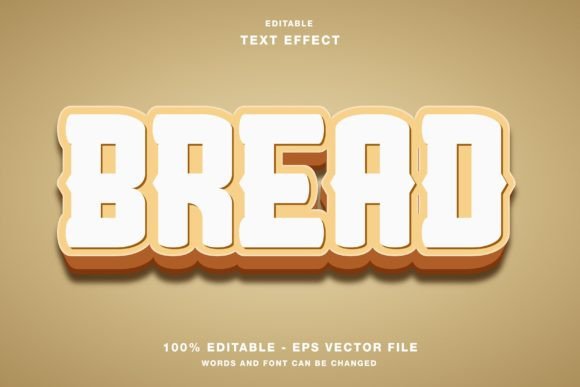
The visual character of this text effect is rooted in energy and warmth. Traditional Chinese restaurant signage often features bright reds, golds, and deep blacks, utilizing bold, blocky structures to ensure visibility from a distance. This template captures that essence but refines it for contemporary modern typography standards. The 3D extrusion adds weight and presence, making the text pop against busy backgrounds or minimalist layouts alike.
What makes this asset particularly valuable is its hybrid nature. It is not a static image. Because it is an editable template for Adobe Illustrator, every element remains customizable. You are not stuck with a single color palette or fixed perspective. The underlying structure allows you to modify the bevels, shadows, and highlights, giving you control over the lighting direction and intensity. This level of customization ensures that the final output aligns perfectly with your client’s existing brand identity, rather than forcing the brand to adapt to the font.
For designers who typically work with serif fonts or clean sans serif fonts for corporate clients, switching to a stylized 3D effect can feel daunting. However, this template simplifies the transition. It retains the legibility of standard typeface designs while adding the decorative flair of a script font or handwritten font without the readability issues those styles often present. The result is a bold, authoritative, yet inviting visual that commands attention without sacrificing clarity.
Strategic Applications Across Digital and Print Media
The utility of the Chinese Food 3D Text Effect extends far beyond simple menu headers. In today’s multi-channel marketing environment, consistency is key. This asset serves as a central pillar for web design elements, ensuring that landing pages and promotional banners maintain a cohesive look. Since the color mode is set to RGB, it is optimized for screens, making it ideal for:
- Social Media Graphics: Create eye-catching headlines for Instagram stories, Facebook promotions, and Twitter updates. The 3D depth ensures the text remains readable even on small mobile screens.
- Digital Advertising: Use the effect for banner ads where immediate visual impact is crucial for click-through rates.
- Email Newsletters: Break up text-heavy emails with vibrant, themed headers that reinforce the culinary theme.
Beyond the digital realm, the included EPS and JPG files make this template suitable for high-quality print design. For editorial design projects such as food magazines or lifestyle publications, the effect can serve as a striking cover headline. In packaging design, it can highlight key product names on takeout boxes or sauce bottles. The vector-based nature of the Illustrator file means you can scale the text to any size without losing resolution, a critical feature for large-format prints like event posters, flyers, and storefront signage.
Entrepreneurs and small business owners in the food industry will find this particularly useful for logo design iterations. While a primary logo might be more subdued, secondary logos or seasonal campaign graphics can leverage this 3D style to create excitement around limited-time offers or new menu launches. It acts as a versatile design asset that supports both commercial font requirements and creative experimentation.
Enhancing Brand Perception and Audience Engagement
Typography influences how consumers perceive value. A poorly executed text effect can make a brand appear amateurish, while a polished, professional 3D treatment suggests quality and attention to detail. By using a pre-made, high-quality template, you ensure that the technical aspects of the design—such as consistent lighting, proper perspective, and balanced color saturation—are handled correctly. This professionalism builds trust with the audience.
Readability and visual hierarchy are also significantly improved with this approach. In crowded marketplaces, whether physical or digital, clear hierarchy guides the viewer’s eye. The bold, three-dimensional nature of this effect naturally draws attention to the most important information: the name of the dish, the promotion, or the brand itself. This is especially important when pairing with other creative fonts. You can use the 3D effect for the main headline and pair it with a clean, neutral sans serif font for body text, creating a balanced composition that is both engaging and easy to read.
Furthermore, consistency in visual style aids in brand recognition. When customers see the same distinctive 3D style across your social media graphics, website, and printed materials, it reinforces brand memory. This consistency is a hallmark of strong brand identity strategy. It tells the audience that the brand is established, reliable, and cohesive in its messaging.
Practical Guidance for Implementation and Licensing
Before integrating the Chinese Food 3D Text Effect into your workflow, consider the specific needs of your project. Start by evaluating the color palette of your existing brand materials. Since the template is fully editable, you can adjust the hues to match your brand colors precisely. If your brand uses subtle pastels, you might tone down the vibrancy of the default settings. If you aim for high energy, amplify the contrast.
Testing font pairings is another crucial step. While this effect is dominant, it needs supporting typography. Avoid pairing it with other highly decorative script fonts or complex display fonts, as this can create visual clutter. Instead, opt for simple, geometric sans serifs that provide a stable base for the 3D headline. This contrast ensures that the 3D effect remains the focal point without overwhelming the viewer.
Always review the licensing terms associated with premium font packages and design templates. Most commercial templates allow for use in client work, but it is essential to confirm whether the license covers unlimited projects or requires additional fees for mass production. Understanding these details prevents legal issues down the line and ensures ethical use of design assets.
Finally, take advantage of the included file formats. The EPS file allows for infinite scalability and editing within Illustrator, while the JPG provides a quick preview or a ready-to-use image for platforms that do not support vector graphics. By mastering this template, you add a powerful tool to your repertoire, enabling you to deliver high-impact, professional designs efficiently. Whether you are a seasoned designer or a hobbyist looking to elevate your content, this resource offers a practical solution for creating compelling, appetite-inducing visuals.